Friday, August 11, 2023

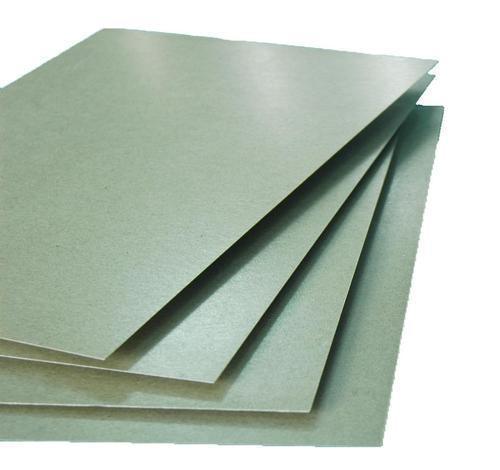
Compressed non-asbestos gasket material: A Safe and Durable Alternative


Asbestos gaskets were once the standard for sealing joints in high-pressure and high-temperature applications. However, asbestos is a known carcinogen, and its use has been banned in many countries. As a result, there is a growing demand for safe and durable alternatives to asbestos gaskets.

Compressed non-asbestos gasket material is one such alternative. It is made from a combination of synthetic rubber, aramid fibers, and inorganic fillers. The aramid fibers provide strength and durability, while the rubber provides flexibility and resilience. The inorganic fillers help to distribute the load evenly across the gasket, preventing it from tearing or leaking.

Compressed non-asbestos gasket material is safe to use and can be used in a variety of applications, including:

·        Boilers

·        Pressure vessels

·        Compressors

·        Pumps

·        Valves

·        Engines

It is also resistant to a wide range of chemicals and temperatures, making it a versatile and reliable gasket material.

If you are looking for a safe and durable alternative to asbestos gaskets, Compressed non-asbestos gasket material is a great option. It is available in a variety of sizes and thicknesses to meet your specific needs.

Here are some of the benefits of using Compressed non-asbestos gasket material:

·        Safe: Compressed non-asbestos gasket material does not contain asbestos, which is a known carcinogen.

·        Durable: Compressed non-asbestos gasket material is strong and durable, and can withstand high pressures and temperatures.

·        Flexible: Compressed non-asbestos gasket material is flexible, and can conform to a variety of surfaces.

·        Resistant to chemicals: Compressed non-asbestos gasket material is resistant to a variety of chemicals, making it a versatile gasket material.

·        Cost-effective: Compressed non-asbestos gasket material is a cost-effective alternative to asbestos gaskets.

Friday, August 4, 2023

For safer industrial sealing, choose Compressed non-asbestos gasket material


In industrial settings, gaskets play a crucial role in ensuring leak-free sealing of joints and flanges. Traditionally, asbestos gaskets were widely used for their heat and chemical resistance. However, manufacturers have sought safer alternatives due to health and environmental concerns associated with asbestos. Compressed non-asbestos gasket  material has emerged as a reliable solution, providing similar performance without health risks. This article explores the benefits and applications of Compressed non-asbestos gasket  material in industrial sealing.


Safe and Environmentally Friendly:

Compressed non-asbestos gasket  material eliminates the health risks associated with asbestos. Asbestos fibers can become airborne when disturbed, posing severe health hazards. With non-asbestos materials, industries can maintain a safe work environment and contribute to sustainability efforts.


High Performance and Versatility:

Non-asbestos gasket  materials are engineered to deliver excellent performance under varying conditions. They possess impressive resistance to heat, pressure, and chemical exposure, making them suitable for various applications in industries such as oil and gas, chemical processing, and power generation.


Sealing Reliability:

Compressed non-asbestos gaskets offer reliable sealing capabilities, preventing fluid and gas leakage. Their ability to conform to irregular surfaces ensures a tight and secure seal, reducing the risk of equipment failure and potential downtime.


Cost-Effective Solution:

Compressed non-asbestos gasket  material provides a cost-effective alternative to asbestos gaskets. While offering similar performance, non-asbestos gaskets are more affordable and widely available, making them an attractive option for budget-conscious industries.


Compliance with Regulations:

The use of non-asbestos gasket  materials helps industries comply with strict regulations concerning workplace safety and environmental protection. Choosing non-asbestos options demonstrates a commitment to meeting industry standards and regulations.


Compressed non-asbestos gasket  material offers a safer and more environmentally friendly solution for industrial sealing needs. Its high-performance attributes, cost-effectiveness, and compliance with regulations make it a preferred choice for various industries. By adopting non-asbestos gasket  materials, industries can ensure leak-free sealing, enhance workplace safety, and contribute to sustainable practices.

Tuesday, July 4, 2023

Viton Sheet Gasket Material: Unleashing the Power of Premium Sealing

 Introduction:

Viton sheet gasket material is a high-performance sealing material widely recognized for its exceptional resistance to extreme temperatures, chemicals, and environmental factors. In this blog, we delve into the unique qualities of Viton sheet gasket material, exploring its applications, durability, and advantages in various industries.

Viton sheet gasket material
Unmatched Resilience and Chemical Resistance:

Viton sheet gasket material exhibits unmatched resilience, making it an ideal choice for sealing applications in aggressive environments. It withstands a wide range of chemicals, including acids, fuels, oils, and solvents, without compromising its sealing properties, ensuring long-lasting performance and reducing the risk of leaks.


Extreme Temperature Resistance:

With its exceptional temperature resistance, Viton sheet gasket material remains reliable and effective even in extreme heat or cold conditions. It maintains its flexibility and sealing capabilities, providing a reliable barrier against leaks and maintaining optimal performance in high-temperature applications.


Versatile Applications:

Viton sheet gasket material finds applications in various industries, including automotive, aerospace, chemical processing, and oil and gas. It is commonly used in sealing applications such as flanges, pumps, valves, and gaskets, where resistance to harsh environments and aggressive chemicals is critical.


Longevity and Durability:

Viton sheet gasket material is known for its durability, longevity, and resistance to degradation over time. It can withstand prolonged exposure to UV radiation, ozone, and weathering, ensuring consistent sealing performance and minimizing maintenance and replacement costs.


Viton sheet gasket material stands as a premium sealing solution that provides unmatched resistance to chemicals, extreme temperatures, and environmental factors. Its exceptional durability, versatility, and longevity make it a preferred choice for sealing applications in demanding industries. With Viton sheet gasket material, industries can achieve reliable and long-lasting seals, ensuring optimal performance, enhanced safety, and peace of mind in critical operations.

Monday, June 26, 2023

The Ultimate Guide to Sheet Packing: Achieving Optimal Performance and Efficiency


Introduction

Welcome to our comprehensive guide on sheet packing, where we delve into the intricacies of this essential sealing solution. In this article, we will explore the various aspects of sheet packing, including its uses, benefits, types, and best practices for optimal performance. Whether you are new to sheet packing or looking to enhance your knowledge, we've got you covered.


Understanding Sheet Packing

Sheet packing, also known as gasket material or jointing sheet, is a versatile sealing material used to prevent leakage between two surfaces. It acts as a barrier, providing a reliable seal to prevent the escape or entry of fluids, gases, or contaminants in different industrial applications. Sheet packing is commonly utilized in industries such as oil and gas, chemical, automotive, and manufacturing.


Benefits of Sheet Packing


1. Superior Sealing Performance

Sheet packing offers excellent sealing capabilities, ensuring a tight and reliable seal between mating surfaces. It effectively fills irregularities, imperfections, and micro-gaps, thereby preventing leaks and minimizing fluid loss. This results in enhanced operational efficiency and reduced maintenance costs.


2. Versatility

One of the significant advantages of sheet packing is its versatility. It is available in various materials, such as rubber, cork, graphite, PTFE, and composite materials. This wide range of options allows you to select the most suitable sheet packing material based on your specific application requirements, including temperature, pressure, chemical compatibility, and environmental conditions.


3. Cost-Effective Solution

Sheet packing is a cost-effective sealing solution compared to other alternatives. It offers a balance between performance and affordability, making it an attractive choice for both small-scale and large-scale applications. With its ability to provide long-lasting seals, sheet packing minimizes downtime, extends equipment lifespan, and reduces the need for frequent replacements.


Sheet packing plays a crucial role in achieving leak-free operations and preventing costly downtime. By understanding its benefits, types, and best practices for installation, you can optimize the performance of your sealing applications and ensure long-term reliability. Remember to select the right sheet packing material, follow proper installation procedures, and adhere to maintenance schedules to maximize the lifespan of your gaskets.

Tuesday, June 13, 2023

Exploring the Applications and Advantages of Mica Sheets

Introduction:

Mica sheets are versatile materials widely used in various industries for their unique properties. This blog delves into the applications and advantages of mica sheets, highlighting their thermal insulation capabilities, electrical insulation properties, and versatility in different industries.


Understanding Mica Sheets:

Mica sheets are thin, flexible, and transparent materials composed of natural or synthetic mica. They are available in different grades and thicknesses to suit specific applications.


Thermal Insulation:

Mica sheets possess excellent thermal insulation properties, making them ideal for applications where heat resistance is crucial. They can withstand high temperatures and effectively dissipate heat, making them valuable in industries such as electrical, automotive, and aerospace.


Electrical Insulation:

Mica sheets exhibit superior electrical insulation properties, making them a preferred choice for electrical and electronic applications. They have a high dielectric strength and low power loss, ensuring safe and efficient operation of electrical components and systems.


Applications in Various Industries:

Mica sheets find applications in a wide range of industries, including electrical, electronics, automotive, appliances, and construction. They are used as insulation materials in electrical equipment, gaskets, heating elements, furnace windows, and more.


Versatility and Customization:

Mica sheets offer versatility and can be customized to meet specific requirements. They can be easily cut, punched, or molded into desired shapes, allowing for precise fitment and integration into various products and systems.


Mica sheets are essential materials known for their thermal and electrical insulation properties. Their versatility and customization options make them suitable for diverse applications in industries such as electrical, electronics, automotive, and construction. Whether it's for thermal management or electrical insulation, mica sheets provide reliable solutions, ensuring the safety and efficiency of equipment and systems. Explore the potential of mica sheets in your industry and leverage their unique properties for enhanced performance and reliability.

Monday, June 12, 2023

Sheet Rubber Gasket Material: Versatile and Reliable Sealing Solutions

 Introduction:

Sheet rubber gasket material is a versatile and widely used material in various industries for creating effective seals. This article explores the key features and benefits of sheet rubber gasket material, highlighting its applications, durability, and versatility.


 Overview of Sheet Rubber Gasket Material:

Sheet rubber gasket material is a flexible material available in various thicknesses and durometers. It is composed of elastomers such as neoprene, EPDM, silicone, and nitrile, offering different properties to suit specific sealing requirements.


Excellent Sealing Performance:

Sheet rubber gasket material provides excellent sealing performance, effectively preventing leakage of liquids, gases, and other substances. It conforms to irregular surfaces, creating a reliable and secure seal, even in demanding environments.


 Wide Range of Applications:

Sheet rubber gasket material finds applications across diverse industries, including automotive, aerospace, chemical processing, oil and gas, and HVAC. It is used in sealing applications such as pipe flanges, machinery, tanks, pumps, and electrical enclosures.


Durability and Resistance:

Sheet rubber gasket material exhibits exceptional durability and resistance to various environmental factors, including temperature, pressure, chemicals, and UV radiation. It withstands harsh conditions, ensuring long-lasting sealing performance and reducing maintenance costs.


Versatility and Customization:

Sheet rubber gasket material is available in different grades and can be customized to meet specific requirements. It can be cut or fabricated into various shapes and sizes, making it adaptable to different sealing applications.


Sheet rubber gasket material is a versatile and reliable sealing solution used in numerous industries. Its excellent sealing performance, durability, and resistance to environmental factors make it a preferred choice for creating effective seals. Whether it's for automotive, industrial, or commercial applications, sheet rubber gasket material offers a wide range of possibilities to meet diverse sealing needs. With its versatility and customization options, this material provides a cost-effective and efficient solution for maintaining leak-free operations in various industries.

Tuesday, May 9, 2023

Sheet Rubber Gasket Material: What You Need to Know

If you're looking for a reliable and effective sealing solution, sheet rubber gasket material is an excellent option to consider. In this blog, we'll explore everything you need to know about sheet rubber gasket material, including its properties, benefits, and applications.

What is Sheet Rubber Gasket Material?

It is a type of gasket material made from rubber. It comes in various thicknesses and sizes and is designed to create a tight seal between two surfaces. It is used in a wide range of industries, including automotive, manufacturing, and construction.


Properties of Sheet Rubber Gasket Material

It has several properties that make it an excellent choice for sealing applications. These properties include:

Chemical Resistance: This is resistant to a wide range of chemicals, including acids, alkalis, and oils. This makes it ideal for use in harsh environments where exposure to chemicals is common.

Temperature Resistance: It can withstand extreme temperatures, both hot and cold. It can operate at temperatures ranging from -40°F to +350°F.

Durability: This material is highly durable and can withstand repeated compression and expansion without deforming or breaking.

Flexibility: It is flexible and can conform to irregular surfaces, ensuring a tight and secure seal.

Benefits of Sheet Rubber Gasket Material

Sheet rubber gasket material offers several benefits over other types of gasket materials, including:

Cost-effective: Sheet rubber is an affordable sealing solution, making it a popular choice for many applications.

Versatility: This gasket material can be used in a wide range of applications, making it a versatile sealing solution.

Easy to install: It is easy to install and can be cut to the required size and shape using a sharp knife or scissors.

Low maintenance: It requires minimal maintenance, reducing the overall cost of ownership.

Applications of Sheet Rubber Gasket Material

This material is used in a wide range of applications, including:

Automotive: Sheet rubber is used in automotive engines, transmissions, and other components to create a tight seal and prevent leaks.

Manufacturing: This material is used in manufacturing processes to seal equipment and prevent leaks.

Construction: It is used in construction to seal pipes, valves, and other components.

Aerospace: Sheet rubber gasket material is used in aerospace applications to create a tight seal and prevent leaks.

Conclusion

Sheet rubber gasket material is an excellent choice for sealing applications in various industries. It offers several benefits, including cost-effectiveness, versatility, and ease of installation. It has properties such as chemical resistance, temperature resistance, durability, and flexibility, making it ideal for use in harsh environments. Its applications range from automotive, manufacturing, and construction to aerospace. If you're looking for a reliable and effective sealing solution, sheet rubber gasket material is an excellent option to consider. For more information click the link and visit the website.